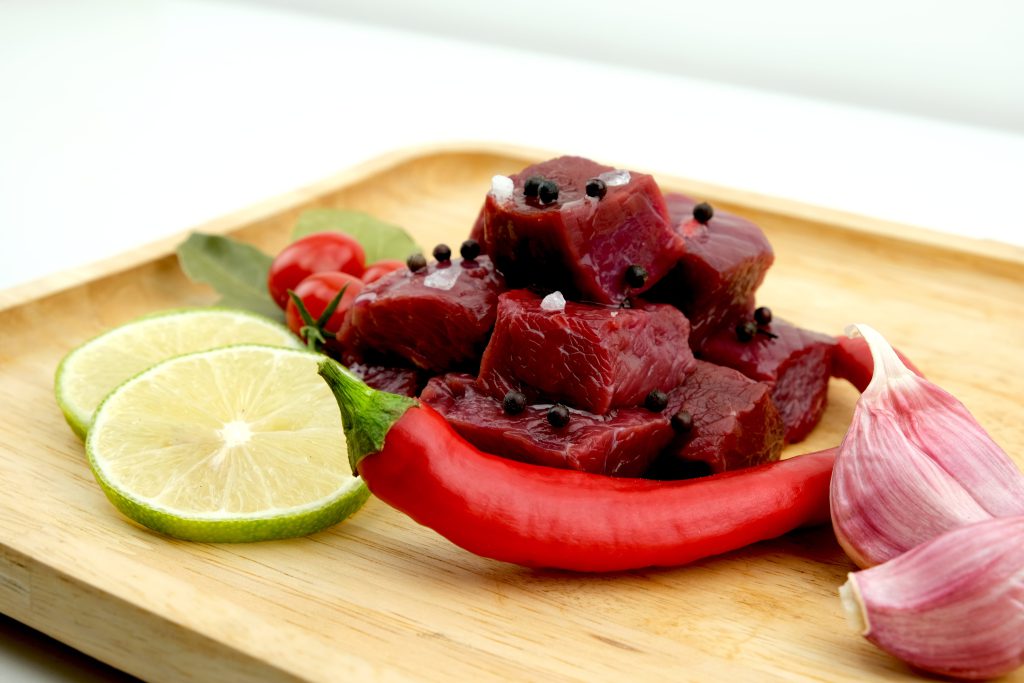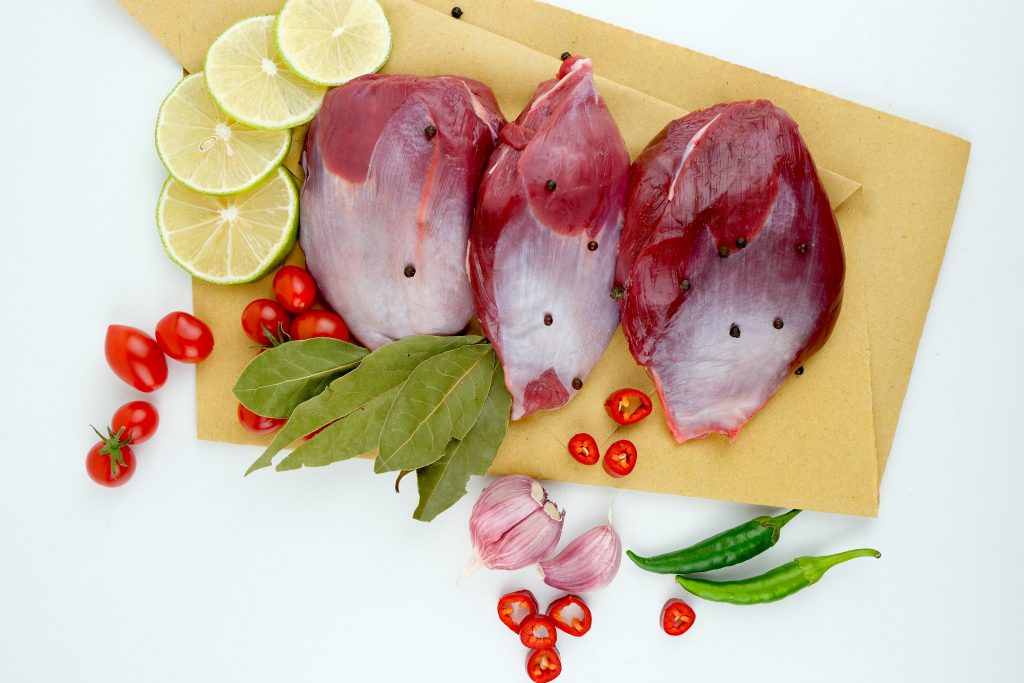
Key points
- Ostrich meat is high in protein, relatively low in fat and calories, and a good source of iron, zinc, selenium and B vitamins (including B12).
- Its fat is mostly unsaturated. Unlike chicken and turkey, ostriches have no breast meat; most of the meat comes from the thigh and drum.
- Like any meat, ostrich must be cooked thoroughly and normal kitchen hygiene applies.
- People with digestive problems or medical conditions should eat it in moderation and on their doctor’s advice.
Nutritional value
Ostrich meat is rich in protein and low in fat and calories. The bird stores its fat outside the muscles rather than within them, which is why the meat is lean. It also contains useful amounts of iron, zinc, magnesium, selenium, niacin and vitamins B and E, and its sodium content is lower than that of chicken.
Vitamin B12 is essential for the nervous system and for making red blood cells, and ostrich meat is a good source. The meat contains practically no carbohydrate.
Who it suits
- Athletes and others who need more protein.
- People who are losing weight and want a lean meat.
- People who need more iron because of anaemia (alongside medical advice).
- Older adults and people with heart disease or high blood pressure, in moderation and with their doctor’s agreement.
Practical considerations
Ostrich meat is fairly firm and can be slow to digest for people with a weak digestive system. Suitable cooking (steak, grill or slow-cooked stew) and serving it with vegetables or pickles helps. In traditional Persian medicine the meat is described as having a “hot and dry” temperament, with vinegar as its corrective; this is a traditional view without independent clinical evidence. It is best as one of several protein sources in the diet, eaten once or twice a week.
The microbial safety of meat depends on slaughter and transport conditions; a stressed bird before slaughter gives meat of lower quality and shorter shelf life. As with any meat, thorough cooking and refrigerated or frozen storage are essential.
Conclusion
Ostrich meat is a high-protein, lean and nutritious choice that fits a balanced diet, provided it is prepared and cooked following good hygiene practice.