Key points
- Starting an ostrich farm requires an economic assessment, adequate space, a balanced ration and careful management of production and hatching.
- Ostriches can use forage, tolerate weather extremes and low water supply, and need simpler facilities than commercial poultry.
- Egg production is seasonal; in Iran it generally runs from March to mid-October.
- The figures here are approximate averages that depend on management, ration and breeder age; consult a specialist before investing.
Competitive advantages of ostrich farming
- Feed conversion: about 300 kg of feed is needed to reach slaughter weight (roughly 85 to 90 kg).
- Forage use: unlike chickens and turkeys, the ostrich digestive system can make use of forage plants.
- Water use: about 5 to 7 litres per day on average, with high tolerance of water scarcity.
- Facilities and labour: simpler structures and equipment; with good design one worker can manage about 100 breeders or 400 fattening birds.
- Environment: ostrich droppings do not attract flies, and the birds do not make loud noise.
Breeding stock
In Iran ostriches are usually kept in flocks or in family groups. In the family system each male is kept with two females in a paddock (about 8 x 50 m), and production can be recorded for each bird; flock housing has lower facility costs, but production is harder to manage and injuries and fractures are more common.
- The laying season runs from March to mid-October, with about 2.5 kg of feed per bird per day; in the rest period a maintenance ration (about 2 kg) with less energy and protein is enough.
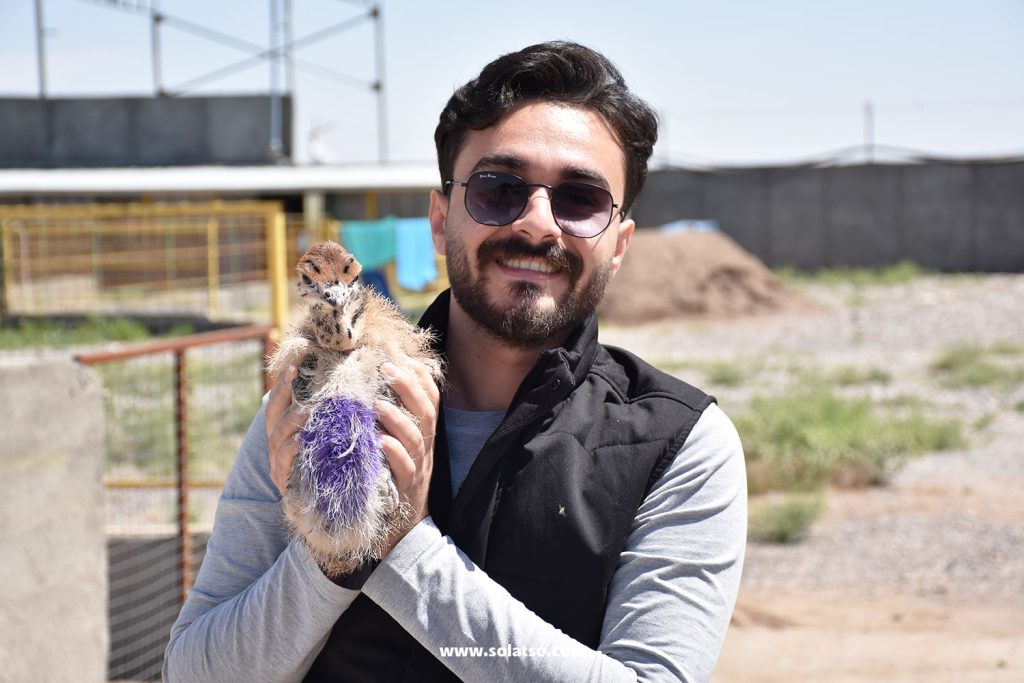
- A hen lays about 50 eggs a year on average; about 35 are fertile, about 26 hatch and 20 to 22 chicks survive to one month of age.
- Incubation takes about 42 days.
- Example ration: 40% alfalfa, 20% maize, 20% soybean, 10% wheat bran and 10% concentrate. This is only a general example; the actual formula must be set by a nutritionist according to the birds’ conditions.
Fattening
- Fattening is usually done in groups of 30 to 50 birds.
- Each bird needs about 4 to 8 m2 of covered space and 10 to 15 m2 of open space.
- Reaching about 85 kg takes 6 to 8 months and 260 to 350 kg of feed.
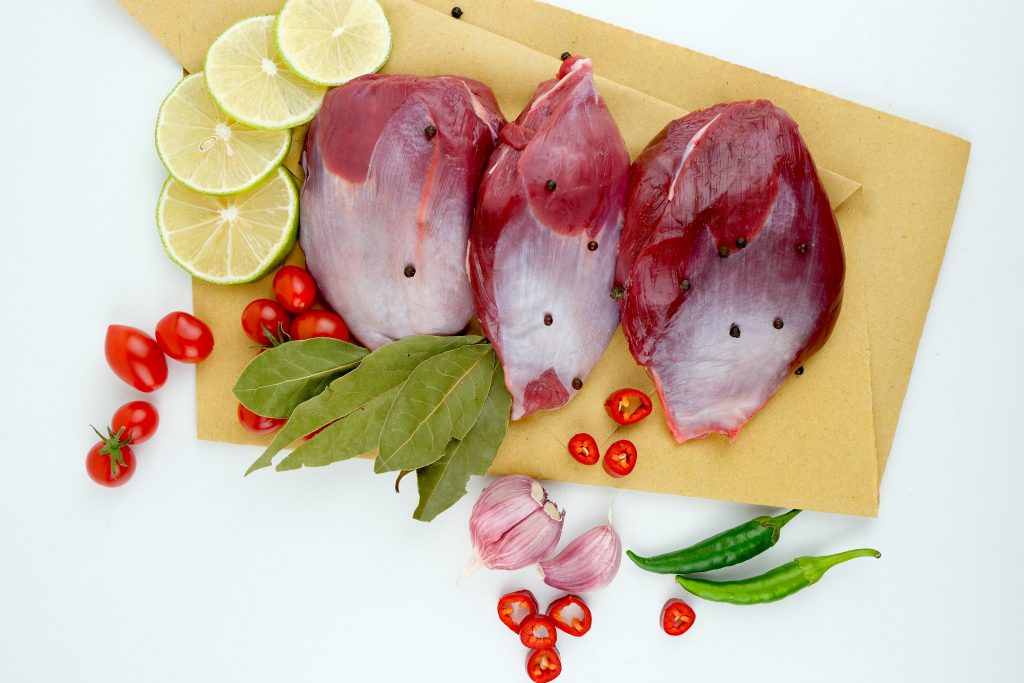
- Carcass yield is about 60% of live weight; besides meat, fat and skin are by-products.
Conclusion
Ostrich farming is attractive because of its use of forage, low water consumption and simple facilities, but success depends on careful planning, the right ration, good hatchery management and hygiene. Adapt the figures to the real conditions on your own farm before investing.