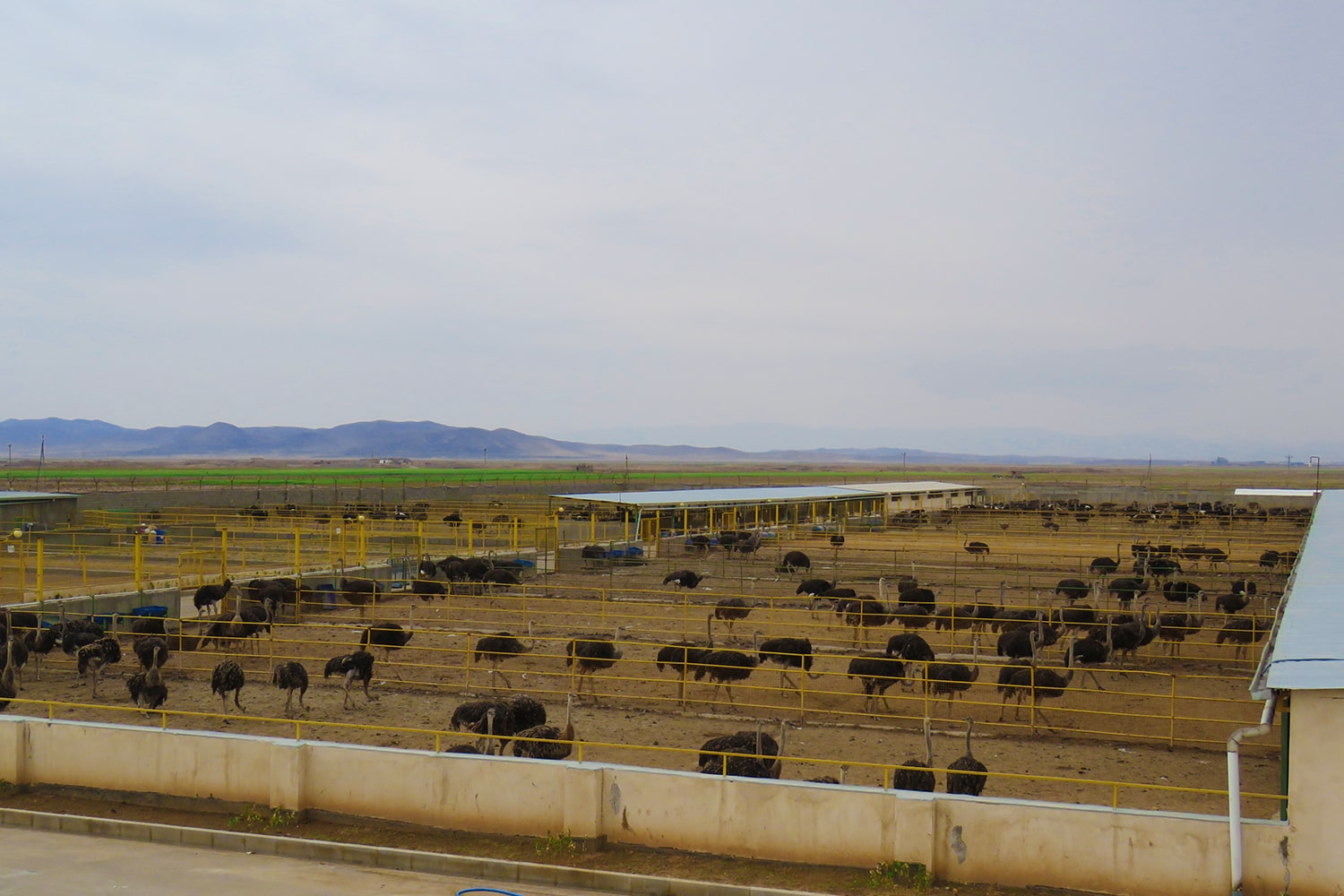

Contrary to popular belief, ostrich farming (Struthio camelus) has little in common with industrial poultry production. The ostrich is the world’s largest bird and belongs to the ratites, the flightless running birds. Despite more than 100 years of farming in South Africa, it has grown in recent years into a fast-expanding global industry.
Yet that rapid growth has shown that ostrich farming is highly management-intensive. Success in this industry does not depend on a single factor; it requires the precise, simultaneous control of a whole set of them. You must manage hygiene of the environment and equipment, specialised breeder nutrition, record keeping and analysis (Records), environmental conditions and incubation settings, and the correct flock ratio all at once. Neglecting any one of these links disrupts the entire production chain.
In this article, we look at the main challenges of the industry and the key factors that determine success.
The Four Main Production Challenges on Ostrich Farms
Unfortunately, most of producers’ losses come from four basic problems, all of which are rooted in management:
- Infertile eggsEggs in which no embryo develops, leaving the cost of keeping the breeder hen without any return.
- Embryonic mortalityA large share of losses occurs inside the incubator.
- Leg deformities after hatchingChicks that hatch alive but, because of weak leg structure, face serious problems with growth and feeding.
- Chick losses in the first two weeks after hatchA considerable share of chick losses occurs in the first two weeks. This is usually caused by incomplete absorption of the yolk sac, microbial infections (due to poor hatcher hygiene), or unsuitable temperature and humidity at hatching.
What Is the Root Cause of These Problems?
In a word: weak management. Artificial incubation of ostrich eggs is usually accompanied by a low hatch rate (hatchability). This low rate is strongly affected by improper control of temperature, humidity and airflow in the incubator, how eggs are stored, inadequate cleaning and disinfection (hygiene), and, finally, poor nutrition of the breeder hens.
The Reproductive Cycle: At What Age Do Hens Start Laying?
Ostrich hens start laying at 2 to 3 years of age and can remain fertile for up to about 40 years. Over this long period, annual egg production varies with farm management, and between 20 and 70 eggs per year have been reported. This wide range shows that selective breeding (genetics) and proper nutrition of the breeder hen play a direct, decisive role in farm profitability.
Key Factors Affecting Success (Hatch Rate)
To get the most out of incubation and chick survival, you need to control a set of factors at the same time:
- Breeder nutrition and healthSupplying nutrients (protein, calcium, vitamins and more) directly affects not only the number of eggs but also yolk quality and chick survival.
- Male-to-female ratioAn unsuitable ratio of males to females can sharply reduce fertility (the best ratio is 1:1 or 1:2).
- Egg management and hygieneThis covers egg weight and quality, how eggs are collected and cleaned, disinfection of the environment and equipment, fumigation, and storage conditions before incubation.
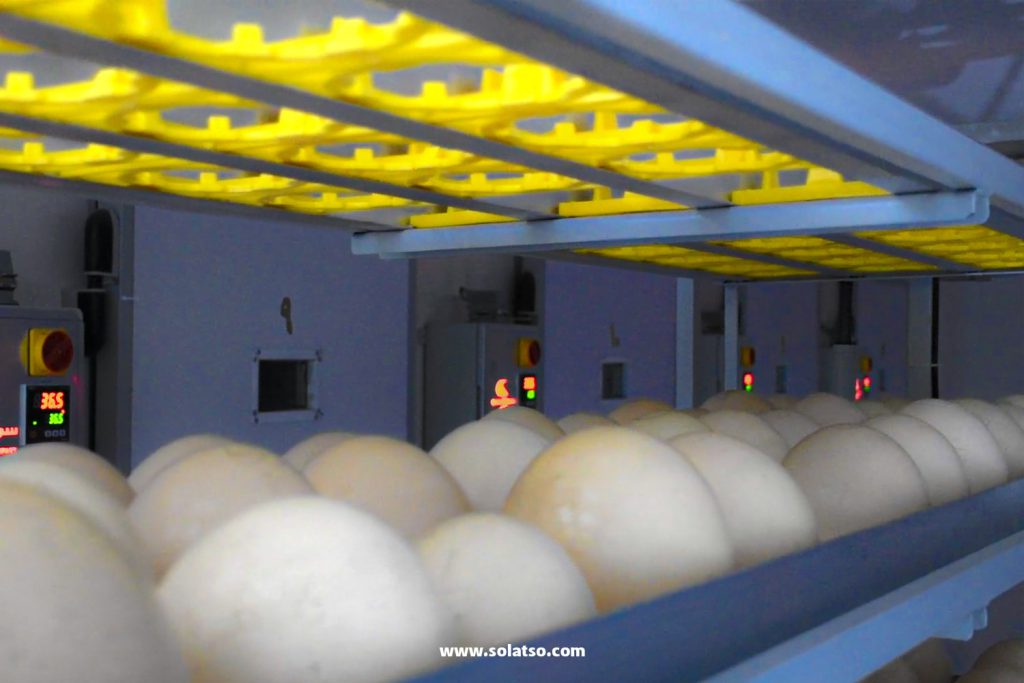
- Incubator and hatcher managementPrecise control of temperature, humidity and ventilation, especially in the final days and at hatching.
- Keeping recordsMarking eggs, recording dates, weighing and tracking development during incubation to identify weak points and correct the process.
Conclusion
Successful ostrich farming is the result of integrated teamwork. The producer should work closely with veterinarians, specialists, health laboratories, breeders’ associations and researchers to steer the production process towards excellence. In upcoming articles, we will look at each of these management stages (from egg collection and cleaning to incubator settings and post-hatch care) separately and in practical terms.