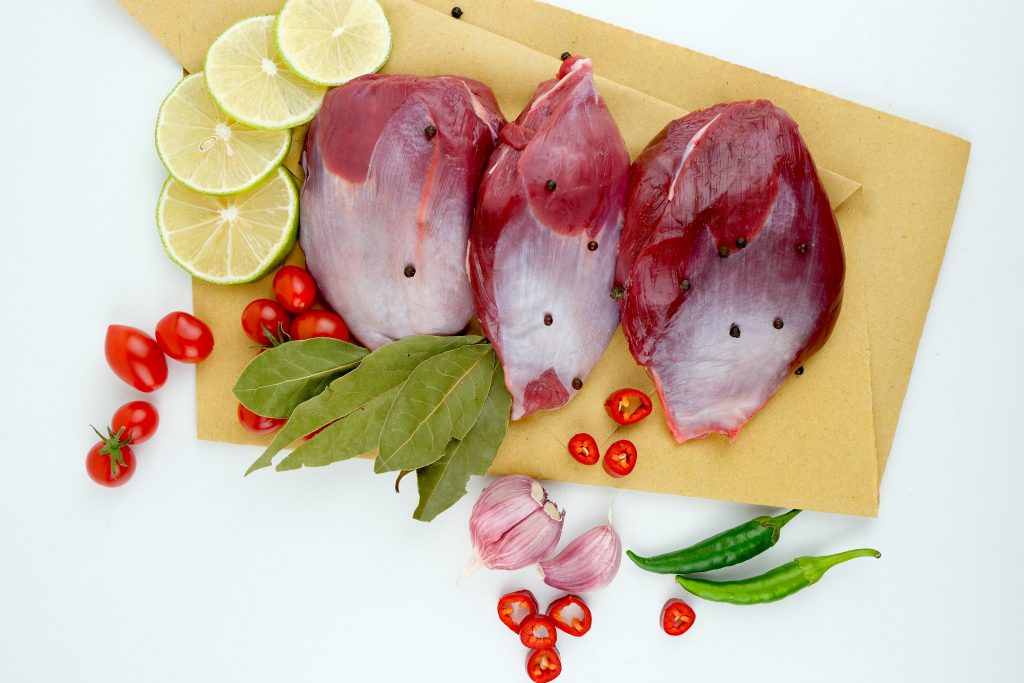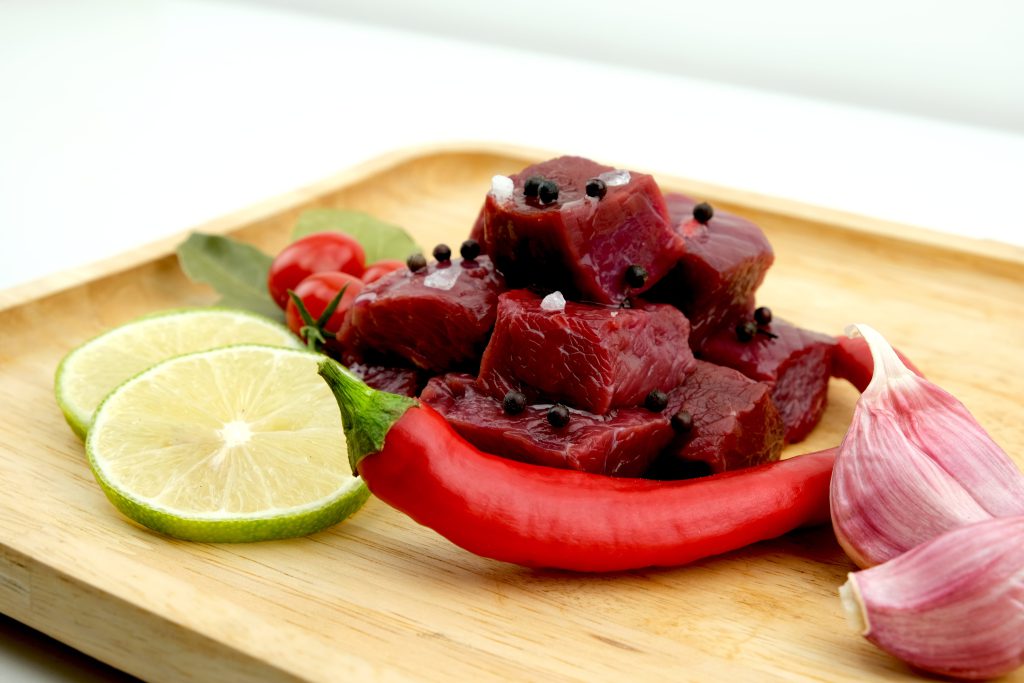
Key points
- Ostrich is a red meat, but its fat content is very low and mostly unsaturated.
- It provides 20 g of protein per 100 g, compared with 17 g in beef.
- Its iron content is higher than that of beef and turkey.
- It contains less sodium than turkey and venison.
- It is a rich source of selenium.
Fat
Red meat often has a poor reputation because clinical studies link high consumption with heart disease, type 2 diabetes and some cancers. Not all red meats are alike, however. The fat in ostrich meat is mainly unsaturated, which can improve blood cholesterol, reduce inflammation and help stabilise heart rhythm.
A serving of ostrich supplies about 10% of the recommended daily amount of saturated fat, whereas the same amount of beef usually supplies more than 35%.
Protein
Protein helps repair the body and produce new cells, and it matters for the growth of children, adolescents and pregnant women. Severe deficiency can cause swelling, skin degeneration, muscle loss and stunted growth in children.
Ostrich meat contains 20 g of protein per 100 g, compared with 17 g in beef. Because the ostrich is not a mammal, its protein is easier to digest than mammalian protein.
Iron
Iron deficiency can lead to anaemia, with signs such as severe fatigue, chest pain, rapid heartbeat or shortness of breath, headache, dizziness and poor circulation. Iron is essential for carrying oxygen around the body and for DNA synthesis.
In direct comparison, ostrich provides 2.9 mg of iron, beef 2 mg and turkey 1.5 mg.
Sodium
Sodium is needed to conduct nerve signals, contract muscles and maintain the balance of water and minerals in cells. Too much can raise the risk of high blood pressure, heart attack and stroke, and reducing intake helps lower blood pressure. Ostrich meat contains less sodium than turkey or venison.
Selenium
Selenium protects against excessive oxidation in the body, which can damage cells and even cause cell death. Adequate selenium may reduce inflammation, platelet aggregation and the risk of age-related cognitive decline.
A serving of ostrich meat provides about 60% of the recommended daily amount of selenium, compared with 28% for beef and about 18% for turkey.
Conclusion
Compared with many common meats, ostrich contains less saturated fat and sodium and more protein, iron and selenium. As with any food, moderation remains the key.